Skip to content
Case Study | Touch Medical
Internal Operations and Workflow Management Platform
Accelerating Healthcare Technology Operations Through Dedicated Staff Augmentation
5 min read
Share
In healthcare technology, operational efficiency is not a back-office concern. It is a direct determinant of how quickly teams can move, how accurately they can report, and how effectively they can serve the clinical and administrative stakeholders depending on them. When internal processes are fragmented and manual coordination is the norm, the cost is measured not just in wasted time but in delayed decisions, reduced visibility, and a development organisation that spends more effort managing process than building product.
This client, a healthcare technology company, had reached a point where the gap between their operational ambitions and their internal tooling had become a material constraint on performance. Workflows were being managed across disconnected systems. Administrative tasks were consuming engineering and operational capacity that should have been directed elsewhere. Visibility into the status of internal processes was limited, and the absence of centralised tooling meant that reporting and coordination required more effort than any well-run organisation should accept.
The engagement was structured as a staff augmentation model, embedding dedicated engineering resources directly into the client’s existing teams to accelerate development of an internal operations and workflow management platform. Over six months, a focused two-person engineering team integrated seamlessly into the client’s product and engineering organisation, contributing to feature delivery, code quality, and architectural improvement throughout.
Ankle Patrol was built to replace exactly that kind of infrastructure. The client had identified a clear and pressing need: a modern, secure, mobile-first platform that could centralise compliance tracking, streamline supervisor communication, and reduce the administrative overhead that manual processes were imposing on the organisations managing release compliance workflows.
This was not a feature enhancement or a design refresh. It was a full product build, from concept to deployment, covering UI/UX design, end-to-end mobile development, backend architecture, and ongoing post-launch support. The engagement began in May 2024 and the team continues to maintain and evolve the platform today.
6 months
Engagement duration
2
Dedicated engineers embedded in client teams
Full Stack
React.js, Node.js, TypeScript, PostgreSQL, AWS
The Challenge
The client’s internal operations were running on a combination of manual processes and disconnected tools that had accumulated over time without a coherent platform strategy to unify them. For a healthcare technology organisation where accuracy, speed, and cross-team coordination carry real operational weight, the consequences were tangible and compounding.
The challenges were structural, technical, and organisational, touching every layer of how the client’s internal teams planned, executed, and reported on their work. The core challenges were:
- 1. Fragmented Processes Were Creating Operational Bottlenecks.
- Internal workflows were distributed across multiple disconnected tools and manual coordination methods, creating friction at every handoff point and slowing the execution of tasks that should have been straightforward.
- 2. Limited Visibility Into Workflow Status and Progress
- Without a centralised platform, managers and team leads had no reliable, real-time view of where work stood across departments. Reporting required manual aggregation and was frequently out of date by the time it was produced.
- 3. Manual Administrative Tasks Were Consuming Engineering Capacity
- Repetitive, low-value administrative work was absorbing time and attention that the organisation needed to direct toward feature development and product improvement. The operational overhead was a direct tax on development velocity.
- 4. Internal Development Bandwidth Was Insufficient to Close the Gap
- The client's existing engineering team had the capability to build what was needed but lacked the capacity to do so at the pace the business required. Additional engineering resource was needed to accelerate delivery without disrupting the existing team's commitments.
- 5. No Scalable Foundation for Future Process Automation
- The existing tooling had not been architected for extensibility. Adding new workflows, integrating additional systems, or expanding reporting capabilities required disproportionate effort, limiting the organisation's ability to evolve its internal operations as business requirements changed.
- 6. Cross-Team Collaboration Was Hindered by Tooling Gaps
- The absence of shared, centralised operational tooling meant that coordination between departments relied on informal communication and manual reconciliation, increasing the risk of misalignment and reducing the speed of cross-functional execution.
The cumulative effect was an organisation whose internal operations were constraining rather than enabling its ambitions, held back by tooling that had not kept pace with the scale and complexity of its work.
The Objective
- Centralise Internal Operations Into a Single, Accessible Platform. Build a unified internal tool that brought workflow management, task tracking, reporting, and team coordination into one governed, accessible environment.
- Reduce Manual Effort Through Structured Workflow Automation. Identify and automate the repetitive administrative tasks consuming operational capacity, freeing engineering and operational teams to focus on higher-value work.
- Give Managers and Teams Real-Time Visibility Into Workflow Status. Develop reporting and analytics capabilities that provided accurate, timely visibility into the status of internal processes without requiring manual data aggregation.
- Accelerate Feature Delivery Through Seamless Team Integration. Embed dedicated engineering resources directly into the client's existing product and engineering teams to increase development bandwidth without disrupting established workflows or team culture.
- Introduce Engineering Best Practices That Outlasted the Engagement. Contribute not just code but architectural patterns, code quality standards, and deployment reliability improvements that would continue to benefit the client's development organisation after the engagement concluded.
- Build a Platform Architecture Capable of Supporting Future Automation. Ensure that the foundation delivered through this engagement could accommodate additional workflow automation, new integrations, and expanded reporting capabilities as the client's operational requirements evolved.
The Solution
Dedicated Engineering Capacity Integrated Where It Was Needed Most
The engagement operated as a true staff augmentation model. The embedded team did not work in parallel to the client’s organisation. They worked within it, participating in sprint planning, collaborating with internal product and engineering stakeholders, and contributing to architectural and prioritisation decisions alongside the client’s own team.
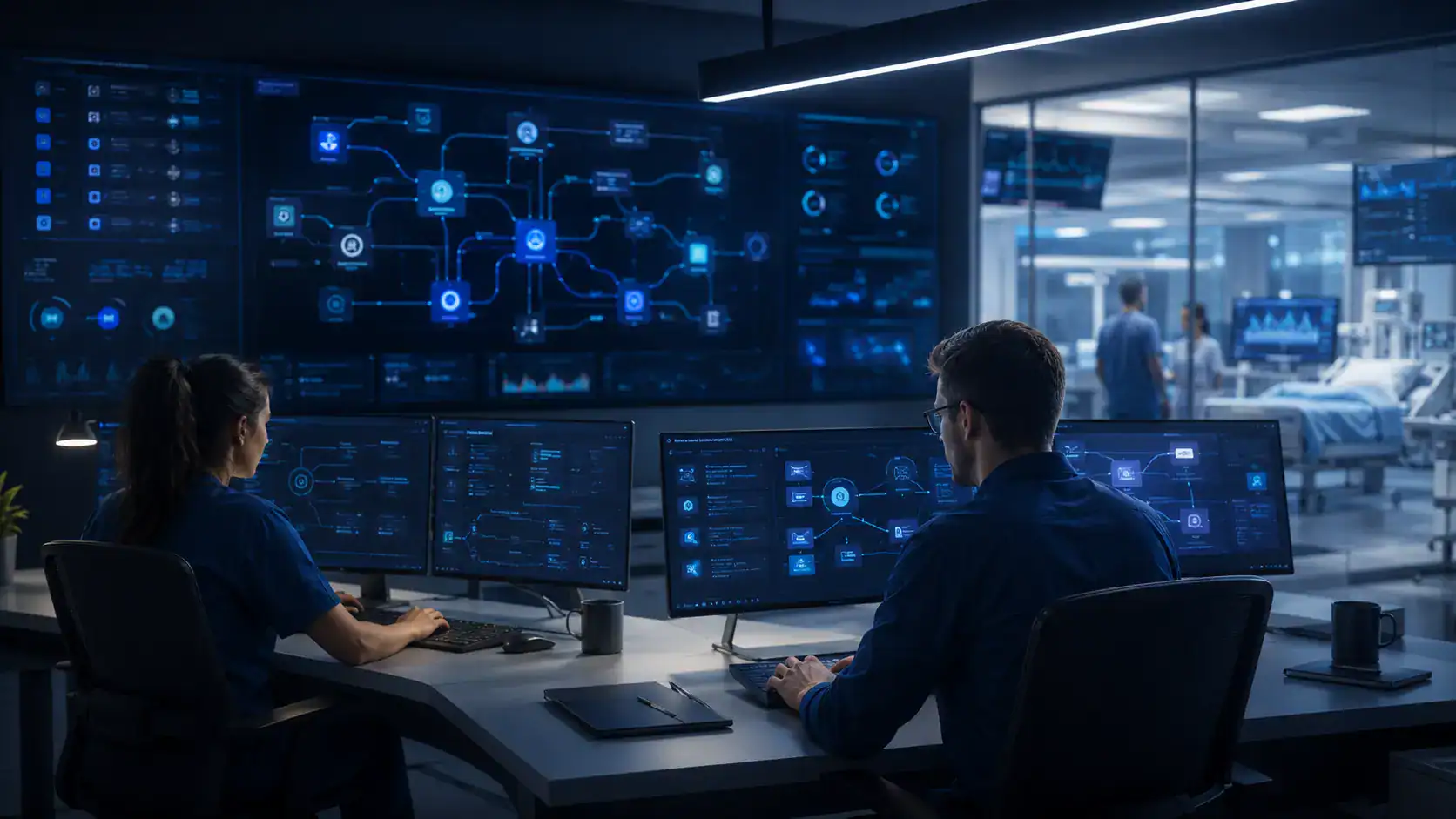
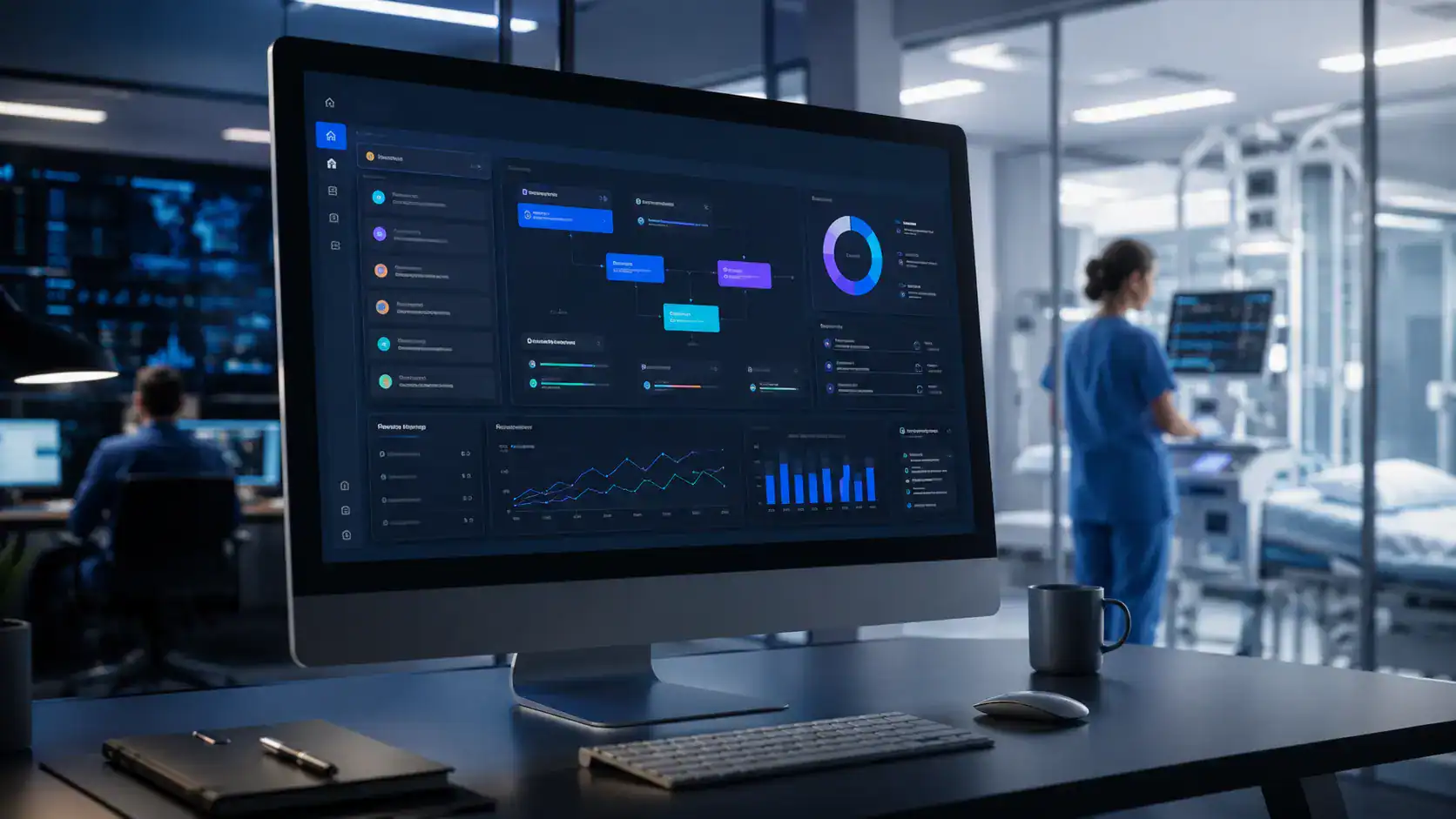
- A Centralised Dashboard for Internal Operations Management. A unified operational dashboard was developed to give teams and managers a single, real-time view of workflow status, task progress, and departmental activity, replacing the manual aggregation and fragmented visibility that had previously characterised internal reporting.
- Workflow Automation and Task Tracking Built Around Actual Operational Needs. Workflow automation capabilities were designed around the specific manual processes consuming the most operational capacity, with task tracking functionality structured to reflect how the client’s teams actually worked rather than imposing an external framework.
- Role-Based Access and Permissions for a Multi-Team Environment. A role-based access control framework was implemented to ensure that the right people had access to the right information and capabilities within the platform, supporting both security requirements and the practical needs of a multi-departmental user base.
- Reporting and Analytics Modules That Delivered Actionable Visibility. Dedicated reporting and analytics functionality was built to surface the operational metrics that mattered most to the client’s leadership and team leads, enabling data-informed decisions without manual effort.
- API Integrations With Existing Internal Systems. The platform was integrated with the client’s existing internal operational systems, authentication and access management services, and third-party tools, ensuring continuity with established processes while expanding overall platform capability.
- Engineering Best Practices Embedded Throughout the Codebase. Beyond feature delivery, the embedded team introduced scalable architecture patterns, improved code quality standards, and enhanced CI/CD pipeline reliability, leaving the client’s development organisation in a stronger technical position than it was at the start of the engagement.
The Impact
- Manual Operational Effort Was Materially Reduced. Workflow automation absorbed the repetitive administrative tasks that had previously consumed significant team capacity, directing that time toward higher-value work across the organisation.
- Internal Workflow Visibility Was Transformed. The centralised dashboard and reporting modules gave managers and team leads accurate, real-time visibility into operational status, replacing the manual aggregation and outdated reporting that had previously obscured where work stood.
- Day-to-Day Operational Tasks Were Executed Faster. Structured workflow tooling reduced the friction and coordination overhead associated with routine internal processes, improving the speed and accuracy of execution across departments.
- Development Velocity Increased Without Disrupting Existing Teams. The embedded engineering resources integrated seamlessly into the client's existing product and engineering organisation, expanding delivery capacity at pace without the onboarding friction typically associated with new team members.
- Cross-Team Collaboration Improved Through Shared Tooling. A centralised platform gave departments a common operational environment, reducing the reliance on informal coordination and manual reconciliation that had previously slowed cross-functional execution.
- A Scalable Foundation Was Established for Future Automation. The architecture delivered through this engagement supports additional workflow automation, new system integrations, and expanded reporting capabilities, giving the client a platform that can grow with their operational requirements rather than constraining them.

Share
The Right Engineers, Embedded at the Right Moment.
We integrate into your teams, contribute from day one, and leave your organisation technically stronger than we found it.

Related Stories